
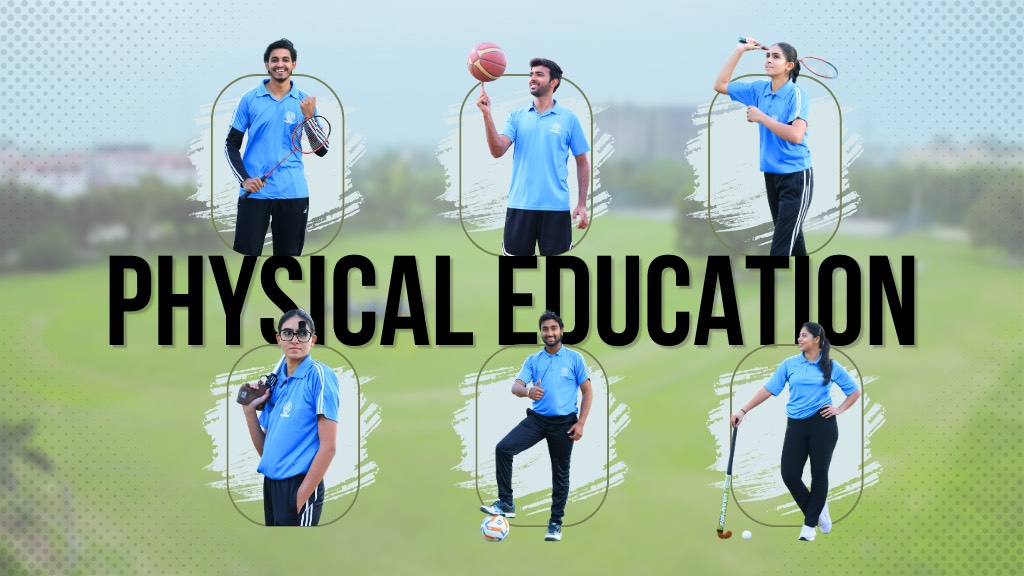

Education is visualized as a ladder to intellectual success, with emphasis placed on subjects like mathematics, science, and languages. These disciplines are seen as the “core” of a student’s future. However, this narrow focus often creates a significant blind spot—the neglect of Physical Education. While schools/colleges race to improve standardized test scores, Physical Education is one of the most overlooked aspects of education. Physical Education is not merely “recess with rules,” but a fundamental pillar of holistic development that fuels both the body and the brain.
The Body-Mind Connection
The most pervasive myth about Physical Education is that it distracts from academic learning. In reality, science suggests the exact opposite. Physical activity acts as a potent fertilizer for the brain.
Physical exercise stimulates the release of brain-derived neurotrophic factor (BDNF), a protein that supports the growth of nerve cells and improves cognitive functions such as memory, attention, and processing speed.
When students run, swim, or play team sports, they are not just burning calories; they are preparing their brains for the classroom. A sedentary student is often a disengaged student, whereas an active child is biologically better prepared to focus and learn. As the old proverb has it: “All work and no play makes Jack a dull boy.”
Social and Emotional Growth
Physical Education is one of the few areas in a school curriculum where soft skills are actively practiced rather than just theorized.
Resilience: In sports, failure is immediate and public. Losing a game and trying again and again is something that builds emotional resilience which a textbook cannot teach.
Teamwork: By playing team sports students learn to communicate, collaborate, and trust peers they might not otherwise interact with.
Stress Management: In an era of rising youth anxiety, physical activity provides a natural outlet for stress regulation, releasing endorphins that combat depression and anxiety.
Why is Physical Education Overlooked?
Despite these proven benefits, Physical Education remains undervalued. The reasons are often systemic—
The Academic Pressure: Schools/Colleges are under immense pressure to perform in state and national rankings, which prioritize cognitive outputs over physical well-being.
Budget Constraints: Gym equipment, field maintenance, and qualified staff are expensive. When funds get tight, PE programs are often seen as expendable luxuries.
Old-Fashioned Curriculum: In many schools/colleges, Physical Education curriculum has not evolved. It often alienates less athletic students rather than inspiring a lifelong love for movement.
The Cost of Inactivity
The consequences of marginalizing Physical Education are visible in the rising rates of childhood/adolescent obesity and the mental health crisis among children/adolescents. We are raising a generation that is technically literate but physically illiterate—unable to understand the needs of their own bodies. By treating physical education as secondary, we risk producing graduates who are intellectually capable but physically unwell and emotionally fragile.
Physical Education should be considered not as a break from learning, but as an inseparable part of learning. It’s necessary to make Physical Education a part of mainstream education. It requires investment, a modern curriculum that emphasizes personal fitness more than competition, and equal standing with core subjects. A healthy mind resides in a healthy body; neglecting one inevitably incapacitates the other.
Shubhra Atreya
Content Writer
IT Department
Swami Vivekanand Subharti University


