
Why PM’s call is important
The ongoing war in West Asia and the blockade of the Strait of Hormuz, a narrow gulf chokepoint through which much of the world’s oil flows, has affected economies across the globe, with many countries reeling from an unprecedented energy crisis.
The International Energy Agency (IEA) has described it as the most severe energy supply disruption in history. The world is feeling the heat of crude oil price hike amid Iran war and India is no exception.
Prime Minister Narendra Modi has recently appealed to citizens to reduce fuel consumption, use public transport / e-vehicles, work from home, buy less gold and limit foreign travel to deal with a surge in global energy prices.
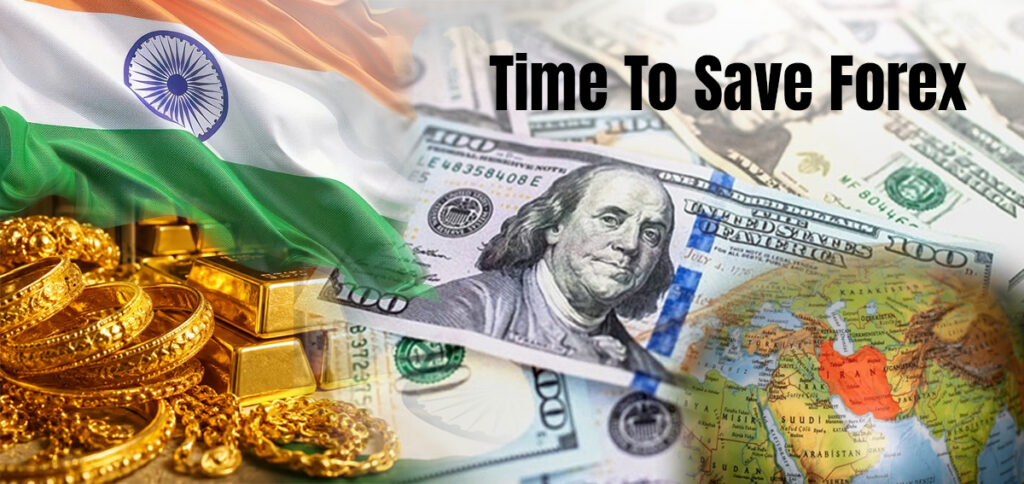
PM said, “In the current situation, we must place great emphasis on saving foreign exchange.” It’s clear from his statement that foreign exchange reserves are crucial for the health of national economy.
Foreign exchange reserves, or forex reserves are financial assets that India’s central bank, Reserve Bank of India holds, including foreign currencies, gold, and government securities.
They act as a financial buffer, helping the country pay for imports, manage currency volatility and reassure global investors about India’s ability to meet external obligations.
According to the latest RBI data, India has around $681.38 billion in reserves—among the world’s biggest and enough to cover 10 to 11 months of imports. But there are signs of pressure.
India’s reserves have fallen 6.5% since the Middle East conflict began, while the rupee has weakened and foreign investors are pulling out. At the same time, oil prices have increased, transport costs have gone up three to four times, and shipping now takes longer, all of which increase India’s import bill.
So, while reserves are enough for now, they may not be sufficient if the situation in Hormuz continues for long.
India is the world’s third-largest oil importer. We depend heavily on imported crude oil and gas. We import 90% of the crude oil and half of the gas we need, and much of this supply comes through the Strait of Hormuz.
Gold comes next. India is one of the world’s largest consumers of gold. We import the majority of the gold consumed domestically, particularly during weddings and festive seasons.
Needless to say, oil, gas, and gold have a direct impact on the country’s dollar reserves. Large-scale imports lead to significant outflows of foreign currency because payments are made in dollars.
When crude oil prices rise sharply, the country needs more dollars to pay for imports. Prolonged high oil prices can rapidly increase dollar outflows from the economy. Gold imports, foreign travels, and destination weddings add to this pressure.
This made PM Modi appeal to his countrymen, urging them to adopt more responsible and self-reliant habits amid growing global economic uncertainty.
Shubhra Atreya
Content Writer
IT Department
Swami Vivekanand Subharti University